
"Kafa Forest"
400 article(s) found

Coffee beans introduce Yega Xuefei Ethiopia Sidamo Ethiopia is the origin of coffee in Africa
Ethiopia is one of the major producers of Arabica coffee in Africa, producing the best Arabian coffee in the world. It is said that coffee was first discovered by shepherds in Essekafa, and the name of coffee evolved from Kafa, so Essex is still the hometown of coffee. The geographical environment of coffee production and processing is very suitable for coffee growth. Coffee is mainly cultivated.

General situation of Ethiopia Ethiopia first China Coffee, the Top Ten Coffee producers in the World
Ethiopia is one of the major producers of Arabica coffee in Africa, producing the best Arabian coffee in the world. It is said that coffee was first discovered by shepherds in Essekafa, and the name of coffee evolved from Kafa, so Essex is still the hometown of coffee. The geographical environment of coffee production and processing is very suitable for coffee growth. Coffee is mainly cultivated.

Introduction of fine coffee producing areas in Africa-- painstaking finishing
Professional barista communication Please follow the coffee workshop (official Wechat account cafe_style) mention Africa, people's first impressions are: desert, drought, tribe, poverty, mystery and so on. Because of its climatic environment, it has become a paradise for the growth of coffee trees. Today, the editor will share with you some important coffee producing countries in Africa. Coffee Belt and Coffee production Coffee production

Harald (Harar) Berry delightfully fermented mixed flavors in the Eastern Highlands of Ethiopia
The coffee-producing region of Ethiopia is divided into east and west parts by the East African Rift Valley, with lakes, volcanoes, lowlands, plateaus and woodlands interlaced, each evolving. Ethiopia has the most diverse coffee ecosystem in the world (forest coffee, semi-forest coffee, pastoral coffee and plantation coffee), which also preserves its rich Arabica genes. The eastern half is mostly plateaus, coffee beans.

Jasmine tea, which is preferred by Ghimbi growers as a composite bean material, is fragrant and bitter
Ethiopia's coffee-producing areas are divided into east and west parts by the Great Rift Valley. Lakes, volcanoes, lowlands, plateaus and woodlands alternate and evolve independently. Ethiopia has the most diverse coffee ecosystem in the world (forest coffee, semi-forest coffee, pastoral coffee and plantation coffee), which also allows it to preserve its rich Arabica genes. The eastern half is mostly plateau, coffee beans
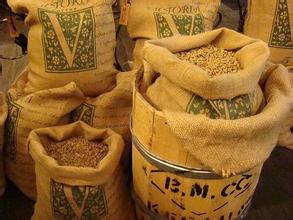
Djimmah, an Ethiopian coffee producing area, follows the ancient method to take the sun treatment class.
The coffee-producing region of Ethiopia is divided into east and west parts by the East African Rift Valley, with lakes, volcanoes, lowlands, plateaus and woodlands interlaced, each evolving. Ethiopia has the most diverse coffee ecosystem in the world (forest coffee, semi-forest coffee, pastoral coffee and plantation coffee), which also preserves its rich Arabica genes. The eastern half is mostly plateaus, coffee beans.

Limu Ethiopian grass and black sugar aroma fruit acid bright boutique coffee
The coffee-producing region of Ethiopia is divided into east and west parts by the East African Rift Valley, with lakes, volcanoes, lowlands, plateaus and woodlands interlaced, each evolving. Ethiopia has the most diverse coffee ecosystem in the world (forest coffee, semi-forest coffee, pastoral coffee and plantation coffee), which also preserves its rich Arabica genes. The eastern half is mostly plateaus, coffee beans.

Introduction to the production area of Jima, Ethiopia: the flavor characteristics of coffee beans in Jiafa Forest Solar Masuo Cooperative
Professional coffee knowledge exchange more coffee bean information please follow the coffee workshop (Wechat official account cafe_style) this time we chose a tanning Maso from the new season Ethiopian coffee, from a small farmers' cooperative in Jima region, more than 300 farmers from nearby villages and tribes, we all speak different dialects, have different religious beliefs, living habits

You must know the price report of Arabica coffee beans
Professional coffee knowledge exchange more coffee bean information Please pay attention to the coffee workshop (Wechat official account cafe_style) common coffee trees are mainly divided into two categories, Arabica (Arabica) and Robusta (Robusta). There are also many small species under it, so we won't say that some kind of coffee is Arabica or Robbosa beans, but in subdivided coffee.

Introduction to the taste characteristics of Ethiopian coffee flavor description and grindability varieties
Ethiopia's geographical environment is very suitable for coffee growth. Coffee is mainly grown in the southern highlands between 1100 and 2300 meters above sea level. The main coffee producing areas are Harar, Limu, Djimma, Sidamo, Kaffa, Yergacheffe and Wellega. The soil drainage in these areas is good.

How about Ethiopian coffee? Ethiopian rambutan coffee flavor
Professional coffee knowledge exchange More coffee bean information Please pay attention to coffee workshop (Weixin Official Accounts cafe_style) Flavor description Dry fragrance is osmanthus, sugar-fried chestnut, strawberry aroma, sip is raspberry, jasmine, mangosteen, honeydew melon and other tropical fruit aroma. Production area information Ethiopia Guji production area 1800 meters ~ 2100 meters Bean information 2019 production season Sunlight original species Although

Sidamo Fruit Fruit Coffee with Light to moderate Baking and washing Nuts
The coffee-producing region of Ethiopia is divided into east and west parts by the East African Rift Valley, with lakes, volcanoes, lowlands, plateaus and woodlands interlaced, each evolving. Ethiopia has the most diverse coffee ecosystem in the world (forest coffee, semi-forest coffee, pastoral coffee and plantation coffee), which also preserves its rich Arabica genes. The eastern half is mostly plateaus, coffee beans.

Does Ethiopia's single bean taste good? the planting and processing of Ethiopia's single bean
Communication of professional baristas Please follow the coffee workshop (Wechat official account cafe_style) at present, there are two main indicators in Ethiopia's coffee grading and quality control system: visual inspection and cup evaluation, inspection items include the color, cleanliness, origin, taste and characteristics of coffee beans. The export rating is marked with a simple number, the best washed coffee is grade 5, and the best sun-cured coffee

How to deal with the processing of Ethiopian single bean? how to divide the grade of Ethiopian single bean?
Professional barista exchanges please follow the coffee workshop (Wechat official account cafe_style) the world-famous Ethiopian coffee are: 1. Limu coffee grows between 1400 meters and 2000 meters above sea level. Wash the coffee. Excellent quality, with strong nut aromas, suitable acidity, with the intensity of wine. The annual output is 29000 tons. 2. Jima coffee grows at an altitude of 140.

How to choose Ethiopian Coffee to introduce the producing area of Kaolin Coffee beans
Ethiopia is one of the major producers of Arabica coffee in Africa, producing the best Arabian coffee in the world. It is said that coffee was first discovered by shepherds in Essekafa, and the name of coffee evolved from Kafa, so Essex is still the hometown of coffee. The geographical environment of coffee production and processing is very suitable for coffee growth. Coffee is mainly cultivated.

The main producing areas of coffee are in southern Brazil and Ethiopian highlands. Ethiopian coffee imports pass.
Ethiopia is one of the major producers of Arabica coffee in Africa, producing the best Arabian coffee in the world. It is said that coffee was first discovered by shepherds in Essekafa, and the name of coffee evolved from Kafa, so Essex is still the hometown of coffee. The geographical environment of coffee production and processing is very suitable for coffee growth. Coffee is mainly cultivated.

Ethiopian Coffee Lim Region Flavor Ethiopian Fine Coffee Bean Introduction
Coffee bugs, in previous installments we learned about the origins and spread of coffee, so where does the coffee we drink today come from? Next, follow Xiao one to explore coffee producing areas around the world ~ Coffee 53 producing areas currently have 53 major coffee producing areas in the world, all distributed in the coffee belt "25N~30S". We're tracking the spread of specialty coffee

Coffee from Ethiopia, the birthplace of coffee, introduces how Ethiopian coffee powder
Ethiopia is one of the major producers of Arabica coffee in Africa, producing the best Arabian coffee in the world. It is said that coffee was first discovered by shepherds in Essekafa, and the name of coffee evolved from Kafa, so Essex is still the hometown of coffee. The geographical environment of coffee production and processing is very suitable for coffee growth. Coffee is mainly cultivated.
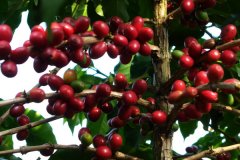
Ethiopian Yega Chevy Fine Coffee
The coffee-producing region of Ethiopia is divided into east and west parts by the East African Rift Valley, with lakes, volcanoes, lowlands, plateaus and woodlands interlaced, each evolving. Ethiopia has the most diverse coffee ecosystem in the world (forest coffee, semi-forest coffee, pastoral coffee and plantation coffee), which also preserves its rich Arabica genes. The eastern half is mostly plateaus, coffee beans.

Introduction of varieties of grinding scale by taste treatment method for flavor description of coffee bean growing area in Kenya
Kenya Coffee Bean Manor Flavor description Taste treatment Grinding scale varieties Ethiopia is one of the major producers of Arabica coffee in Africa, producing the best Arabica coffee in the world. It is said that coffee was first discovered by shepherds in Essekafa, and the name of coffee evolved from Caffa, which is well-known as the hometown of coffee. A